
Find a mistake?
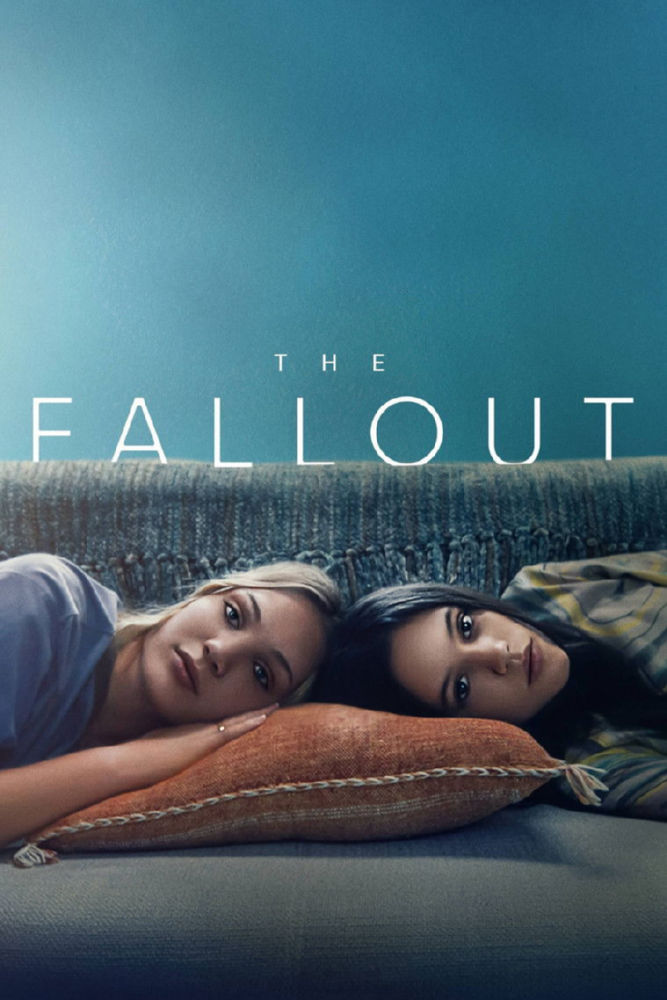


 MOVIE · 2022
The Fallout IS WOKE
–
Not ratedCommunity rating
Label it
IS WOKE
No summary on file yet. Know this one? Tell us.
WHAT CRITERIA MAKES IT WOKE?



Oops! Is this show WOKE?
Only an account holder or member can file. Cite a scene, a line, or a pattern. Other account holders +1 or −1 that argument, once each. The show is not WOKE until enough of them have given a +1. Enough −1s remove the write-up, and it is no longer shown.
Sign in to file a woke label. One of each criterion per member.
Comments and reviews
Report a mistake
Same rule as woke labels: one report, a written reason, and the community +1 or −1 it — once per member. A net +5 applies the change. Editors can hold it for review, or apply it immediately.
No mistake reports yet.
Sign in to report a mistake. One report per field, per member.
Member review
Lila Marsh Member
Sep 19, 2026
★★★★★★★★★★The Fallout sticks with the quiet mess that follows a school shooting instead of turning the incident itself into spectacle. Vada’s return to daily life feels off-kilter in ways that ring true: ordinary noises set her on edge, school hallways suddenly look different, and the usual family rhythms no longer fit. The film spends most of its time on those small fractures rather than big speeches or tidy lessons, and that choice keeps it from feeling preachy.
The two leads carry the weight well. Their scenes together after the attack show a kind of raw, immediate closeness that comes from shared survival, not from forced chemistry. You can see the exhaustion in the way they talk and the way they don’t. It avoids turning their connection into some grand statement; it just sits there as two people figuring out what normal even means now. Supporting performances around them, especially at home, add to the sense that everyone is adjusting at different speeds and sometimes bumping into each other.
Where it lands in the middle for me is the balance between interior struggle and outside events. Some stretches linger on the day-to-day drift in a way that feels honest, while others start to repeat the same note of disconnection without pushing further. The result is a portrait that feels lived-in but occasionally stops short of deeper territory. It doesn’t rush to assign blame or wrap recovery in neat arcs, which is refreshing, yet a few side threads never quite land with the same weight.
What stays with me is how the movie treats safety as something that has to be rebuilt piece by piece instead of something that returns on its own. Vada’s attempts to test limits and find new footing come across as understandable rather than dramatic rebellion. That keeps the story from sliding into easy categories. At the same time, the pacing leaves room for moments that could have carried more punch if they’d been tightened or explored a little longer.
Overall it’s a steady, grounded look at what lingers after the headlines move on. The focus stays on the people trying to move forward without pretending the ground under them is the same. It doesn’t overreach, and that restraint is what makes the better parts stick. The camera work stays close without becoming intrusive, catching small shifts in posture or the way someone hesitates before opening a door. Those details do more than dialogue often could. You notice how the house feels both too quiet and too full at once, or how a classroom that used to be background noise now registers as a space that has to be negotiated. Nothing is underlined, which is usually a strength, though it also means a couple of later scenes drift past without the sharper edge they seem ready for.
The writing trusts silence more than most films in this territory. Conversations trail off, get interrupted by ordinary interruptions, or simply end because no one has the right words yet. That choice keeps the tone consistent with the premise: life has not stopped, it has just become harder to inhabit. Still, the middle stretch could have used one or two clearer turns so the emotional weather did not start to feel static. When the film does push a little further—into the messy ways people try to reclaim a sense of control or the awkward attempts at care from adults who are also shaken—it lands with more force. Those stretches remind you what the quieter approach can achieve when it risks a bit more specificity.
I kept thinking about how rarely movies sit with the uneven timeline of getting through something like this. Some days look almost normal; others collapse under the weight of a single reminder. The Fallout gets that rhythm right more often than not. It does not pretend every character will reach the same place at the same speed, and it lets frustration and tenderness coexist without forcing a moral. The result is uneven in places, yes, but the unevenness feels tied to the subject rather than to carelessness. By the time it settles, you have spent enough time inside these lives to understand why tidy resolution would have felt false. That quiet honesty is what carries it, even when the film circles the same emotional ground longer than it needs to.