



 MOVIE · 2025
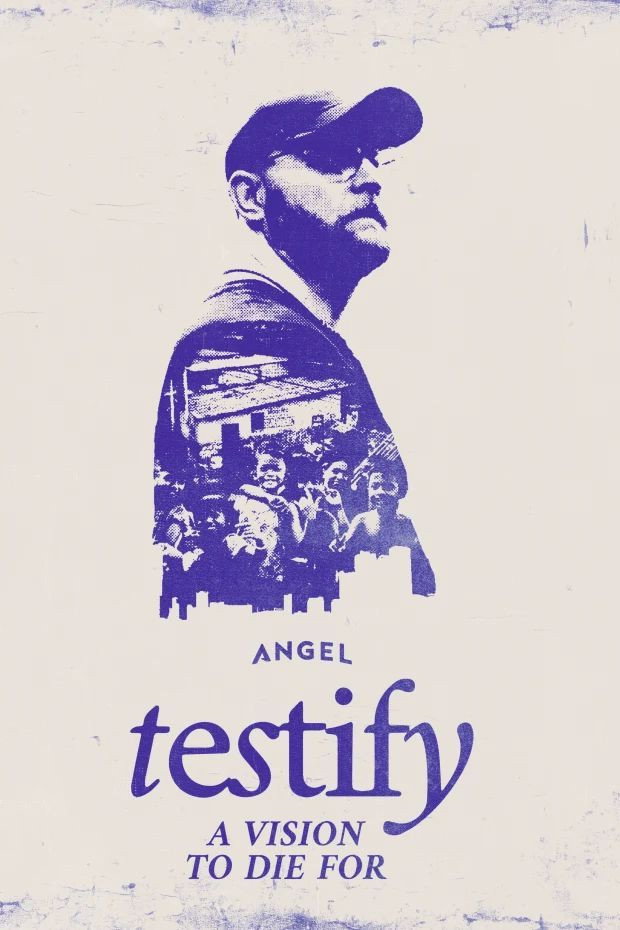
Testify A Vision To Die For
Carsten Aust’s life is upended by a spiritual vision, and he refuses to stay silent no matter the cost. This documentary tracks his drive to share that testimony, the resistance he meets, and the conviction that keeps him going.
Testify A Vision To Die For follows testify: A Vision to Die For follows Carsten Aust after a life-changing vision shatters his ordinary routine and reorients everything around faith. Convinced the experience must be told, he begins a difficult public journey to testify about what he saw and what it means. The film stays close to his real steps: speaking out, facing pushback, and deciding again and again not to quit. Interviews and firsthand moments show how the mission strains his safety, relationships, and daily life. Aust’s resolve is framed as personal obedience rather than abstract theory, and the camera records both the urgency he feels and the practical barriers in his way.
As opposition hardens, Aust keeps pressing forward with the same message, treating silence as a greater risk than any threat aimed at him. Supporters and critics appear through accounts that map the cost of standing by the vision when it would be easier to retreat. The documentary traces later stretches of the road—continued witness, renewed pressure, and the discipline required to hold the line. His belief remains the engine of every choice on screen, tying private conviction to public action. By the close, the story rests on what he endured to keep testifying and on the unshaken certainty that drove the mission from the first vision onward.
Creator: Angel Studios
Click any of the following icons below to rent or stream it!
Oops! Is this show WOKE?
Only an account holder or member can file. Cite a scene, a line, or a pattern. Other account holders +1 or −1 that argument, once each. The show is not WOKE until enough of them have given a +1. Enough −1s remove the write-up, and it is no longer shown.
Sign in to file a woke label. One of each criterion per member.
Comments and reviews
Report a mistake
Same rule as woke labels: one report, a written reason, and the community +1 or −1 it — once per member. A net +5 applies the change. Editors can hold it for review, or apply it immediately.
No mistake reports yet.
Sign in to report a mistake. One report per field, per member.
Member review
Stu Kline Member
Oct 10, 2026
★★★★★★★★★★Testify A Vision To Die For is a documentary that stays locked on one man’s claim and the mess that follows it. Carsten Aust gets a vision. It will not leave him alone. The film tracks what happens when he treats that experience as real and starts making decisions that cost him comfort and ordinary safety.
I sat through it looking for how they handle the pressure point. Faith stories often go soft when the bill comes due. This one at least keeps the focus on the private struggle first. Aust prays. He seeks counsel. The vision keeps pressing. You watch him decide whether obedience means rearranging his life or whether he can negotiate it down into something safer. The early stretches stay close to his own words. That choice works better than heavy narration would have.
Family and friends show up with the expected mix. Some stand with him. Others sound the alarm. The film does not tidy those reactions into neat camps. You see the friction land in real conversations and changed routines. That part felt honest. A sudden spiritual demand rarely gets a standing ovation at the dinner table. People worry about money, reputation, and whether the man they know is still the same person. The documentary lets those worries sit without rushing to resolve them.
The practical steps once he accepts the vision are where the runtime earns its keep. Priorities shift. Choices get concrete. Each one tightens the next. I liked that the film refused to turn every moment into a mountaintop. A lot of it is quiet and repetitive on purpose—prayer, waiting, more counsel, another hard conversation. The repetition is both a strength and the reason I landed at three stars. It mirrors the grind of conviction, but it also stretches thin. There are stretches where you feel the same internal debate replayed without new ground.
Production stays basic. Talking-head moments, observational footage, Aust moving through his days while the call hangs over everything. No slick recreations or swelling score trying to manufacture awe. That restraint fits the material. If the point is costly obedience, flashy packaging would undercut it. Still, the straightforward approach means the whole thing rises or falls on whether Aust’s presence holds your attention for the full length. He comes across as sincere. You believe he believes this vision matters more than his comfort. That carries a good portion of the film. It does not always carry the slower middle sections.
I kept noticing how little the movie tries to prove the supernatural side. It is not a debate about whether visions are real. It is a record of one response. That kept it from turning into apologetics or spectacle. You can walk away thinking the vision is genuine, mistaken, or something else entirely. The film cares more about what a man does once he decides it is binding. The personal cost angle is the real subject. Safety and comfort get weighed against action. The scale tips, and life has to adjust.
Where it loses steam is the lack of sharper structure. The journey of deciding eats most of the oxygen. Concrete outcomes and the specific shape of the vision stay somewhat held back or delayed. I wanted a cleaner sense of stakes beyond the general idea of risk. The description promises he acts no matter the cost. The film shows the deciding more than the aftermath in places, and that imbalance shows. Tighter editing would have helped. A few counsel scenes and reflection beats circle the same ground longer than they need to.
What stays with me is the simple refusal to treat faith as pure consolation. Plenty of religious media sells peace and belonging. This one at least pretends a call might rearrange everything and hurt the people around you while it does it. That is rarer than it should be. Aust is not presented as a polished hero. He is a man under pressure who keeps choosing the harder line once he accepts the vision as genuine. The supporting voices around him are allowed to doubt without becoming cartoon obstacles.
I rated it three because the core is solid and the honesty about cost is better than average for the genre, yet the pacing and limited cinematic energy keep it from rising higher. It is worth the time if the question of obedience versus ordinary life interests you. It will not convert the uninterested or dazzle anyone looking for craft fireworks. It just follows one believer through the first shock, the private weighing, and the early steps of acting. Short paragraphs of real tension mixed with stretches that feel longer than they are.
The film never pretends the process is clean. Alarm from loved ones sits next to support. Prayer does not instantly clear the fog. Decisions still have to be made in the middle of ordinary days. That grounded quality is what I respected most. It also explains why the movie sometimes feels small. It is small. One man’s vision and the circle that has to live with his response. No larger cultural battle is grafted on. No lectures about what the audience should do with their own doubts or certainties.
If you come for drama, you will find modest peaks. If you come for a clean conversion arc, you will be left waiting. What you get is the grind of conviction after the initial jolt. I can respect that choice even while wishing the editing had cut deeper into the repetitive middle. Three stars feels right: sincere, limited, and clearer about personal cost than most films that touch the same territory.