
Find a mistake?
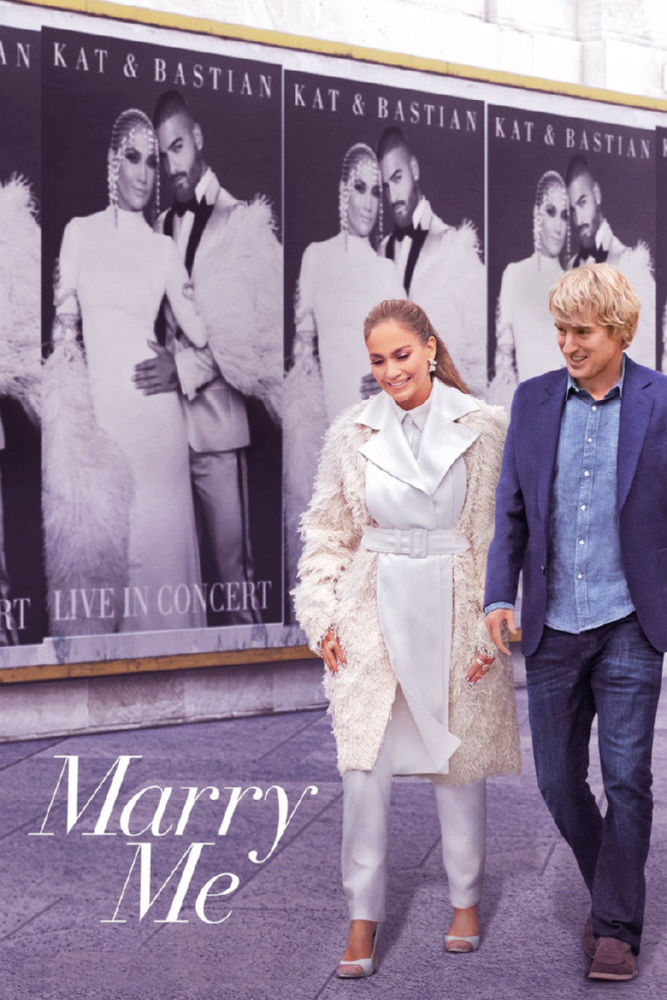


 MOVIE · 2022
Marry Me IS WOKE
–
Not ratedCommunity rating
Label it
IS WOKE
No summary on file yet. Know this one? Tell us.
WHAT CRITERIA MAKES IT WOKE?



Oops! Is this show WOKE?
Only an account holder or member can file. Cite a scene, a line, or a pattern. Other account holders +1 or −1 that argument, once each. The show is not WOKE until enough of them have given a +1. Enough −1s remove the write-up, and it is no longer shown.
Sign in to file a woke label. One of each criterion per member.
Comments and reviews
Report a mistake
Same rule as woke labels: one report, a written reason, and the community +1 or −1 it — once per member. A net +5 applies the change. Editors can hold it for review, or apply it immediately.
No mistake reports yet.
Sign in to report a mistake. One report per field, per member.
Member review
Dan Reilly Member
Sep 20, 2026
★★★★★★★★★★The premise of Marry Me never quite convinced me it could carry a whole movie. A pop star learns her fiancé cheated minutes before their stadium wedding, spots a math teacher in the crowd holding a joke sign for his kid, and marries him on live cameras. That kind of wild swing only works if the film sells the panic and the consequences with real weight. Instead it treats the moment like a cute meet-cute on steroids and then spends the rest of the runtime trying to paper over how thin the setup is. Charlie gets yanked into the machine so fast that his ordinary life barely registers before the paparazzi and handlers take over. The awkward apartment scenes and the sudden domestic routines feel checked off a list rather than discovered. You keep waiting for the movie to sit still long enough for these two strangers to actually look at each other without an agenda, and it rarely does.
What grates most is the way fame is handled. The managers want the stunt spun into relevance, the ex keeps hovering, the media circus never lets up. Fine as background noise, but the film repeats the same complaint—celebrity is isolating and fake—without finding new angles on it. Kat’s public image needs saving, Charlie’s privacy is shredded, and after a while both problems start to feel like the same scene rewritten with slightly different lighting. The script wants us to believe the relationship can turn genuine under that pressure, yet the private moments arrive late and soft. They talk, they share a quiet dinner, they navigate the daughter’s feelings, and somehow that is supposed to equal a foundation. I never fully bought the shift from stunt to something that could last once the cameras left. The convenience of the legal marriage and the instant tabloid status keep undercutting any sense that these people chose each other for reasons that would survive ordinary Tuesdays.
Owen Wilson plays the bewildered decent guy he always plays, and it mostly works. He has the right low-key energy for a divorced teacher who just wanted a fun afternoon and somehow ended up married to a global star. The scenes with his daughter have more texture than a lot of the romance does; you can feel the ordinary stakes there. Jennifer Lopez brings the presence and the stage charisma the role needs. She makes Kat’s impulsive decision feel like something a person under that much spotlight might actually do, even if the aftermath stays glossy. Their chemistry is pleasant. It never turns electric or truly surprising, but it also never becomes painful to watch. You can see why the movie thinks this pairing could click on a surface level. I just kept wanting one scene where the gap between their lives felt dangerous instead of charming.
The music numbers have energy and the film knows it is romcom fluff rather than serious drama. When it settles into smaller beats—Charlie trying to keep his classroom routine while the world gawks, Kat noticing how little of her day belongs to her—it finds a softer tone that suits both of them. Neither character is turned into a cartoon. He does not become a total soft touch who exists only to fix her, and she does not spend the whole runtime dunking on ordinary men. That restraint helped. Still, the middle section drags under the weight of publicity stunts and half-formed conflicts that resolve too neatly. Supporting players mostly exist to push information or create temporary obstacles. You get the type of the ambitious manager, the lingering ex, the well-meaning friend, and then they fade. I wanted more time inside Charlie’s world before the chaos hit so the contrast would land harder. The movie knows the math-teacher-versus-pop-star hook is its whole engine, so it keeps returning to it without digging fresh ground.
Pacing is the other problem. The opening races through the betrayal and the spontaneous ceremony, then the film settles into a loop of media noise and gentle relationship progress that feels manufactured. By the time it reaches for an ending that says yes, this unlikely thing can become real, the optimism feels unearned. Every expected beat arrives on schedule. The jokes stay mild, the obstacles stay temporary, the resolution stays tidy. I rated it three because it does the basic job without collapsing or insulting the audience. The leads remain watchable even when the writing thins out, and it never pretends to be deeper than a star-driven diversion. It simply never surprised me or trusted the odd-couple discomfort long enough to make the eventual warmth feel like something more than product. If you want something that asks very little and looks polished while it does it, this fills the slot. I just walked away wishing it had let the strangeness of the premise breathe instead of sanding it down into another smooth arc.