




 MOVIE · 2023
Fancy Dance IS WOKE
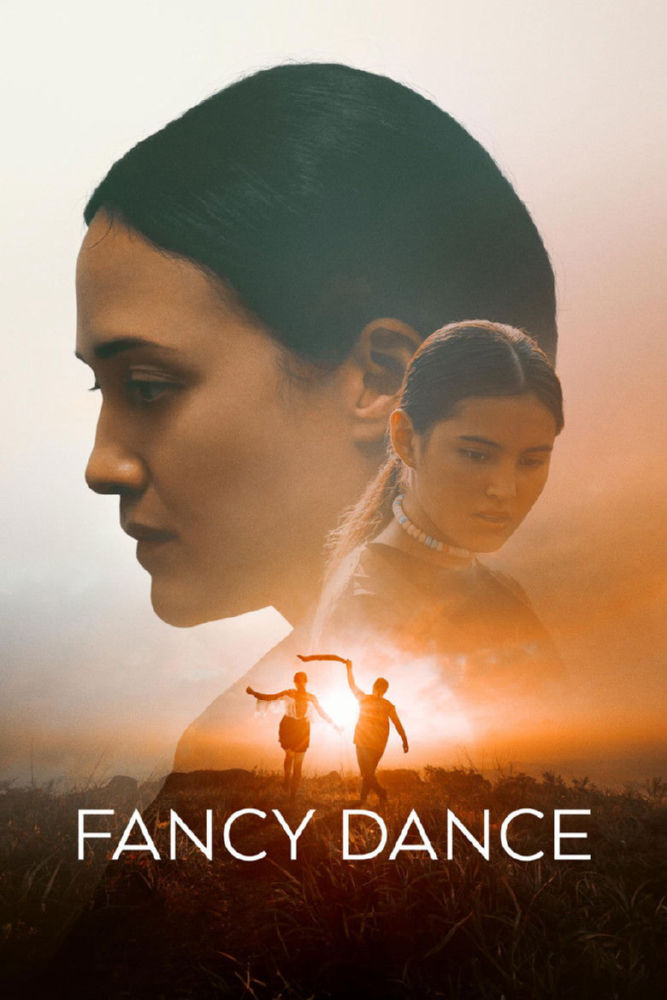
Following her sister's disappearance, a Native American hustler kidnaps her niece from the child's white grandparents and sets out for the state powwow in hopes of keeping what is left of their family intact.
Creator: Erica Tremblay
WHAT CRITERIA MAKES IT WOKE?


Oops! Is this show WOKE?
Only an account holder or member can file. Cite a scene, a line, or a pattern. Other account holders +1 or −1 that argument, once each. The show is not WOKE until enough of them have given a +1. Enough −1s remove the write-up, and it is no longer shown.
Sign in to file a woke label. One of each criterion per member.
Comments and reviews
Report a mistake
Same rule as woke labels: one report, a written reason, and the community +1 or −1 it — once per member. A net +5 applies the change. Editors can hold it for review, or apply it immediately.
No mistake reports yet.
Sign in to report a mistake. One report per field, per member.
Member review
Ray Okonkwo Member
Sep 19, 2026
★★★★★★★★★★Fancy Dance gets going with Jax already in the middle of her mess on the Seneca-Cayuga reservation. She is out hustling for whatever cash she can scrape while keeping an eye on her teenage niece Roki. The sister’s disappearance is the quiet bomb that sets everything off. Once the white grandparents move in to take custody, Jax does not wait around for paperwork. She takes Roki and they hit the road toward the state powwow, figuring that gathering can give them some kind of anchor and maybe buy a little time before anyone catches up.
The early stretch on the highway is where the movie feels most alive. Gas money is never just gas money. Jax has to work angles at every stop, leaning on old contacts and relatives who understand the weight of a missing Native woman without needing a big speech. One stretch has them killing time at a relative’s place, trading small talk that keeps circling back to who has vanished and who is left holding the pieces. It stays understated. Nobody monologues about the crisis; they just live inside it. Roki watches all of this and starts filling in the blanks herself. You see her harden a little without the film turning her into a symbol.
Their destination keeps pulling them forward, but the powwow is more of a promise than a grand finale. Jax believes it can lock them into something that looks like family again. The drive itself becomes the real test. They dodge questions from people who notice two Native women traveling alone, and every conversation carries the risk of someone calling the wrong number. A couple of those roadside exchanges land cleanly because the tension comes from ordinary caution rather than manufactured thrills. You feel how thin the margin is when the only plan is to keep moving and hope the gathering gives them cover.
What holds it together is the aunt-niece pairing. Jax is not a polished hero. She hustles, she cuts corners, and she is clearly terrified of losing the last piece of her sister that she has left. Roki pushes back in the ways teenagers do, wanting the dance and the belonging that comes with it, while still sensing that the adults around her are improvising. Their arguments in the car feel lived-in rather than written for effect. When they finally start practicing steps or talking about what the powwow means, it stays practical. It is about keeping something intact, not delivering a lesson.
The grandparents sit mostly off to the side as the institutional pressure. The movie does not paint them as cartoon villains; they are simply the other claim on Roki, the one backed by paperwork and distance from the reservation. That choice keeps the conflict from turning into pure confrontation. Instead the weight stays on Jax’s decision to remove the girl and the slow realization that the road may not solve as much as she hoped. The missing sister never returns in a neat way, which matches the reality these stories often carry. It hangs there and makes every mile feel borrowed.
Some of the middle sections stretch thin. The hustles start to repeat patterns, and a few of the stops feel like they exist mainly to remind you money is short. The film could have tightened those without losing the sense of scrape-and-survive. A couple of supporting relatives show up with good instincts and then fade before they can add much texture. The powwow arrival brings color and movement, but it does not quite pay off the dread that built on the drive. You want a sharper collision between the temporary safety of the gathering and the knowledge that authorities are still out there. It lands softer than the setup promises.
Still, the core holds. The movie trusts the small mechanics of keeping a family unit from dissolving under outside pressure. It lets Jax’s imperfect choices drive the story instead of turning her into an unearned force of nature. The cultural details sit in the background as lived reality rather than display pieces. You come away remembering the car conversations more than any single set piece, and that feels right for what this is trying to do. It is not trying to fix the larger crisis of missing women; it is just sitting with two people who refuse to let the last connection break.
I settled at 3.5 because the relationship and the low-stakes tension on the road carry real weight, yet the film never quite pushes the consequences as far as the premise allows. It is solid, grounded work that knows its characters and the world they move through. It just leaves a few too many miles feeling like filler when it could have dug harder into the fear of losing everything that remains. Worth the time if you want something that stays with the personal stakes instead of expanding into speeches.