



 TV · 2026
Dutton Ranch
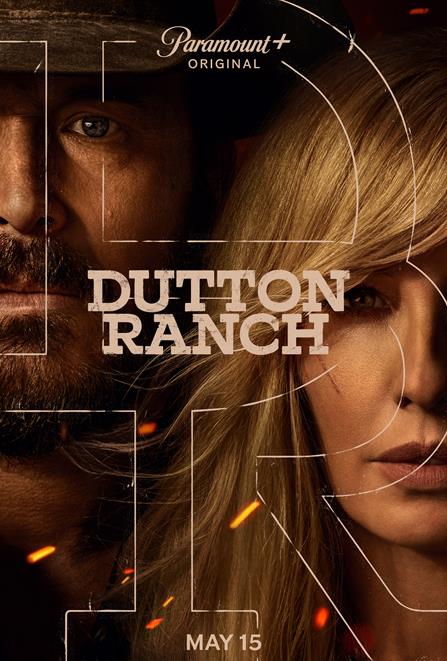
Rip Wheeler and Beth Dutton stake everything on a fresh cattle life in South Texas, only to slam into a rival ranch empire and the violent realities that come with it.
Dutton Ranch follows Rip Wheeler and Beth Dutton as the couple leaves the wreckage of Montana behind and bets their future on South Texas land. They pour what they have left into building a working cattle operation far from the old Yellowstone ghosts. Early days bring the grind of establishing herds, fences, and a home while learning a new region’s rules. Local power already belongs to a entrenched rival ranch that treats newcomers as threats rather than neighbors. Drug trafficking routes and hard-edged criminal pressure quickly fold into the same landscape, turning ordinary ranch work into a constant test of nerve. Rip falls back on the loyalty and force that once defined him, while Beth matches every challenge with the same sharp will that kept her standing before.
As the season pushes forward, the pair refuse to fold when the rival operation escalates from warnings to open attempts to wipe them out. Alliances form and break under the weight of cattle money, border-adjacent crime, and the simple need to keep the new place alive. Rip takes the physical risks that come with protecting land and livestock; Beth handles the deals, threats, and calculations that decide whether the ranch survives another week. Their marriage remains the fixed point amid shootouts, stampedes of trouble, and the slow build of a herd that might finally be theirs. Each setback forces them to decide how much of the old Yellowstone ruthlessness they will carry into this second chance. By the later turns they are no longer just escaping the past—they are fighting to own the ground under their feet.
Creator: Kelly Reilly, Cole Hauser
Click any of the following icons below to rent or stream it!
Oops! Is this show WOKE?
Only an account holder or member can file. Cite a scene, a line, or a pattern. Other account holders +1 or −1 that argument, once each. The show is not IS WOKE until enough of them have given a +1. Enough −1s remove the write-up, and it is no longer shown.
Sign in to file a woke label. One of each criterion per member.
Comments and reviews
Report a mistake
Same rule as woke labels: one report, a written reason, and the community +1 or −1 it — once per member. A net +5 applies the change. Editors can hold it for review, or apply it immediately.
No mistake reports yet.
Sign in to report a mistake. One report per field, per member.
Member review
Wes Calder Member
Oct 22, 2026
★★★★★★★★★★Dutton Ranch picks up with Rip and Beth far from Montana, putting what remains of their money and energy into cattle country in South Texas. That premise alone carried enough weight for me to sit down with it. They are trying to build something ordinary—herds, fences, a place that might hold—while an established ranch next door treats them like an invasion and the surrounding country brings its own brand of trouble, including the kind that moves drugs and settles arguments the hard way. I rated it a four because it mostly works as a continuation of the people I already cared about, even when the larger machinery feels familiar.
What holds my attention is the pair themselves. Rip still operates from loyalty and a readiness to meet force with force; nothing about the move south softens that. Beth meets every slight and every calculation head-on the way she always has. Their scenes together do not need speeches. A look across a dusty yard or a short exchange about money and risk does more than most of the side plots. The show is at its best when it simply lets them work the land and figure out how to live with each other after everything that came before. Those stretches have a quiet weight the louder confrontations sometimes lack.
South Texas is not Yellowstone, and the series knows it. The light is harsher, the distances feel different, and the local power structure already has its own bloodlines and debts. The rival operation is drawn with the expected hard edges—territorial, unfriendly to outsiders, willing to lean on people who get in the way. Drug routes fold into the same ground without much ceremony. Ordinary ranch work keeps getting interrupted by the need to decide how far you are willing to go. I did not need every detail explained; the pressure is clear enough from how Rip and Beth react.
It does not quite reach the heights of Yellowstone when that show was firing on all cylinders. A few storylines recycle the same kinds of standoffs and alliances we have seen before, and not every supporting player earns the minutes they get. When the pace slows and stays with the characters, the land, and the complicated loyalties that have always driven this world, the thing feels solid. When it accelerates into another round of territorial chest-beating, it can coast on atmosphere and star power instead of inventing new friction. Still, the performances and the sense of place carry it past those thinner patches. I never felt I was wasting the evening.
Beth remains the sharpest instrument in the drawer. She has not been sanded down for a softer setting, and that matters. Rip’s version of competence is physical and absolute; he does not reinvent himself so much as apply the same code to a different map. Watching them try to turn a fresh piece of ground into a working life is more interesting to me than another round of empire speeches. The cattle work, the early failures with fences and herds, the simple problem of making a home that is not haunted by the last place—they give the season a texture the pure conflict scenes sometimes miss.
I am glad the story of these two continues at all. After the wreckage of the earlier chapters, a move south could have felt like a soft reset or a cash-in. Instead it treats the relocation as a real gamble with real costs. They pour what they have left into the operation and discover that new dirt comes with old human problems. Rival power does not welcome them. Criminal pressure does not politely wait outside the gate. Rip falls back on the force that once defined him; Beth matches it with calculation and refusal to blink. That dynamic is still the reason to show up.
The scenery does its job without asking for applause. Wide country, hard light, the daily grind of animals and weather—it all sits right. I am not here for travelogue shots, but the place feels lived-in rather than decorated. Same with the smaller rhythms of ranch life. When the series trusts those, it reminds you why the original world stuck. Complicated relationships, land that demands more than it gives, people who would rather settle things themselves than wait for someone else to decide—those pieces are intact.
A handful of threads feel like they are checking boxes rather than digging. Familiar betrayals, familiar tests of loyalty, the occasional character who exists mainly to raise the temperature. None of it sinks the enterprise, but it keeps the show from feeling as sharp as its best hours. I would rather watch Rip and Beth argue about the next season’s herd than sit through another meeting where someone explains the local pecking order. The writing is cleaner when it stays close to work and marriage under pressure.
Overall it is a strong return to the characters that made the earlier run worth following. It does not reinvent the wheel and it does not need to. Spending more time at a ranch—any ranch these two are trying to hold—still satisfies in a straightforward way. The violent realities arrive as part of the landscape rather than as imported spectacle, which helps. You get the grind, the threat, and the stubborn decision to stay. That combination is enough for four stars from me. I will keep watching as long as Rip and Beth remain the center of gravity and the show remembers that the land and the relationship are the actual engine. Everything else is weather.