
Find a mistake?
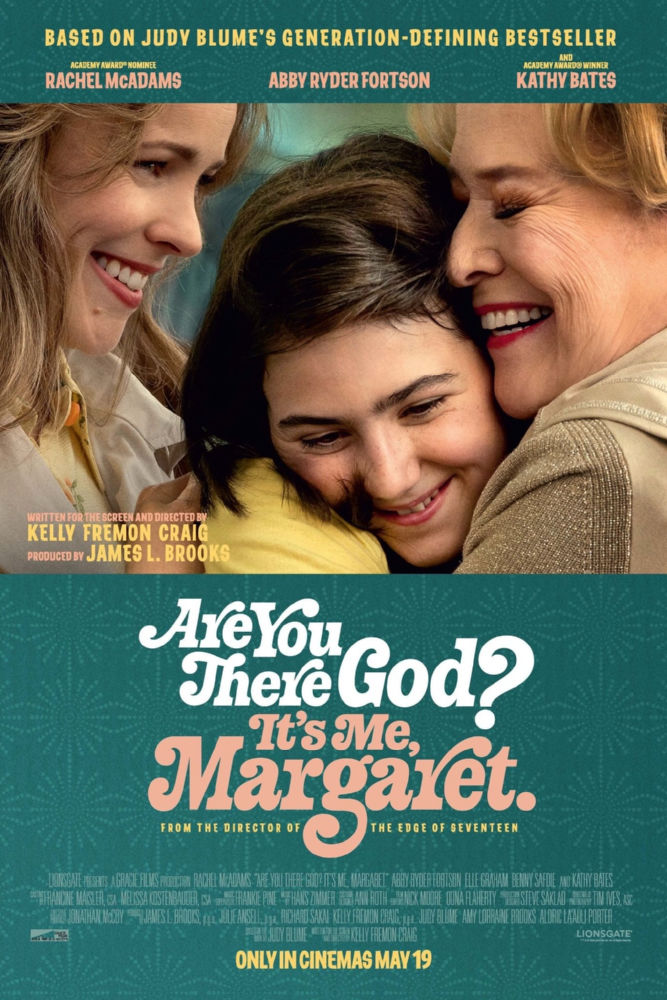


 MOVIE · 2023
Are You There God? It’s Me Margaret IS WOKE
–
Not ratedCommunity rating
Label it
IS WOKE
No summary on file yet. Know this one? Tell us.
WHAT CRITERIA MAKES IT WOKE?


Oops! Is this show WOKE?
Only an account holder or member can file. Cite a scene, a line, or a pattern. Other account holders +1 or −1 that argument, once each. The show is not WOKE until enough of them have given a +1. Enough −1s remove the write-up, and it is no longer shown.
Sign in to file a woke label. One of each criterion per member.
Comments and reviews
Report a mistake
Same rule as woke labels: one report, a written reason, and the community +1 or −1 it — once per member. A net +5 applies the change. Editors can hold it for review, or apply it immediately.
No mistake reports yet.
Sign in to report a mistake. One report per field, per member.
Member review
Ray Okonkwo Member
Sep 20, 2026
★★★★★★★★★★I sat down with Are You There God? It’s Me Margaret mostly because the title still has that old ring to it from the book, and I was curious how the movie would handle an 11-year-old’s head without turning the whole thing into a lesson plan. It mostly doesn’t. The film stays close to Margaret’s daily grind after the move to the new town, and that closeness is what keeps it honest.
The religion thread is the one I kept coming back to. Her mother has kept the Christian side quiet from the Jewish father, so Margaret is left to poke around on her own. She tries services, sits through different rituals, and talks to God in that private, half-complaint way kids do when no one else is listening. Those scenes don’t rush. You watch her test the water and decide what feels like hers. It never turns into a debate club. The grandmother on the Jewish side encourages the curiosity about holidays and family history, and their bond has real warmth. You can see Margaret lighting up when someone finally treats her questions as worth answering instead of something to manage. That relationship gives the movie its steadiest pulse.
At school the secret club with the other girls is pure sixth-grade mechanics. They set rules, keep score on bodies and milestones, and act like the whole world hinges on who gets there first. I recognized the mix of loyalty and quiet competition. The movie doesn’t mock it or inflate it. Margaret’s crush on the classmate sits in the same register—small glances, awkward timing, the kind of thing that feels enormous when you’re that age and then evaporates the next week. The strict teacher adds the usual pressure from the adult side of the hallway, but it’s background texture more than a plot engine.
Family tension builds when the holiday traditions collide. Parents argue, the grandmother pushes for more involvement, and Margaret gets pulled between wanting to keep peace and wanting answers. The film shows her experimenting with different services and then settling into her own definition of belief without a big speech. That landing feels earned rather than tidy. I liked that the story lets her keep some uncertainty. Not every kid needs a neat label by the final scene.
What works best is the refusal to dress the material up. The adaptation sticks to personal discovery—moving, making friends, noticing your body change, realizing your parents have histories they didn’t fully share. Abby Ryder Fortson plays Margaret with a plain, unforced quality that sells the age. You believe the private prayers and the club oaths and the quiet frustration when adults talk around her instead of to her. The direction keeps the camera simple, mostly on faces and small rooms, so the jokes stay gentle: the over-serious club rules, the way Margaret’s talks with God slide from gratitude into everyday gripes.
A few stretches lose momentum. The club conversations circle the same ground more than once, and the parents’ conflict resolves with a little less friction than the setup promises. I wanted one sharper moment where the hidden background actually costs someone something beyond raised voices. Still, those are dips, not collapses. The movie never pretends the girl’s world is bigger than it is, and that restraint is why it holds together.
I keep thinking about the grandmother scenes and the nights Margaret lies awake sorting faith for herself. Those pieces carry the weight. Growing up here isn’t framed as a crisis or a checklist. It’s just the slow realization that you get to decide some things even when the adults around you are still figuring out their own compromises. The film trusts that process enough to let it breathe. That trust is what earned the rating from me. It’s not perfect, and it doesn’t need to be. It just stays with the kid long enough to feel true to the age, and then it steps back. Three and a half stars feels right—solid, specific, and free of the extra noise that usually creeps into stories about kids asking hard questions.