



 TV · 2022
The Santa Clauses
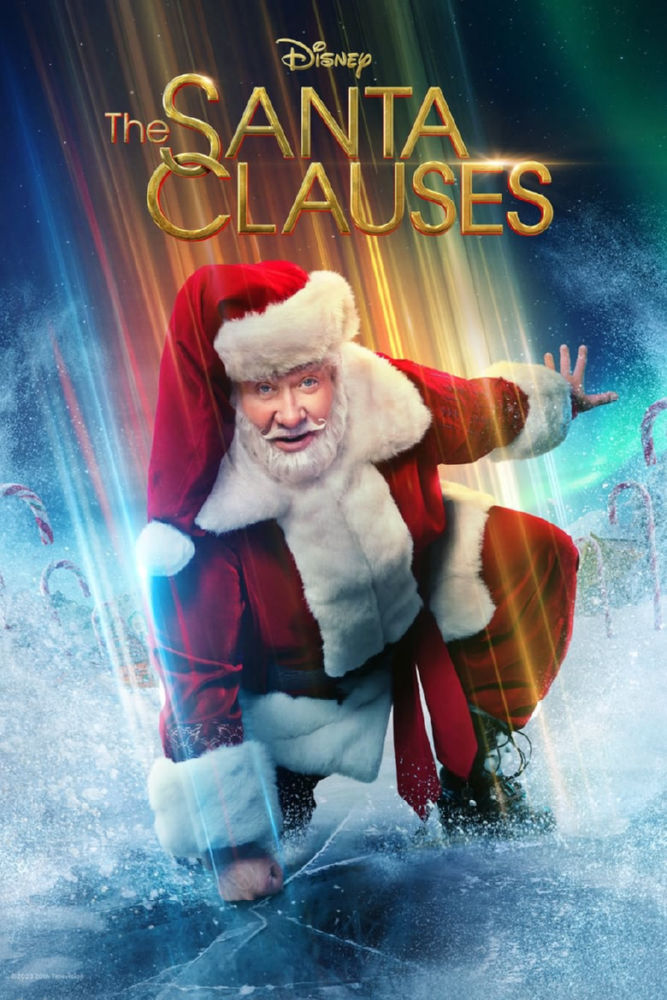
Scott Calvin is about to turn 65 and, realizing he can't be Santa forever, sets out to find a suitable replacement Santa while preparing his family for a new adventure in life south of the North Pole.
"The Santa Clauses" on Disney+ unveils a whimsical tale as Santa contends with vanishing powers tied to diminishing belief. In this series, the North Pole buzzes with magical creatures and imaginative landscapes.
A departure from the conventional, it introduces a fresh narrative, exploring the resilience of Christmas magic amidst modern challenges. With vibrant visuals and a blend of humor, it follows Santa's journey to restore belief and joy. The plot intertwines elements of fantasy with a contemporary twist, offering a unique take on the beloved holiday figure.
PARENTAL CAUTION: The series includes a scene where the father mistakingly tells his daughter that Santa isn't real. Because of this, the series might not be a good fit for young kids.
Oops! Is this show WOKE?
Only an account holder or member can file. Cite a scene, a line, or a pattern. Other account holders +1 or −1 that argument, once each. The show is not WOKE until enough of them have given a +1. Enough −1s remove the write-up, and it is no longer shown.
Sign in to file a woke label. One of each criterion per member.
Comments and reviews
Report a mistake
Same rule as woke labels: one report, a written reason, and the community +1 or −1 it — once per member. A net +5 applies the change. Editors can hold it for review, or apply it immediately.
No mistake reports yet.
Sign in to report a mistake. One report per field, per member.
Member review
Dan Reilly Member
Oct 20, 2026
★★★★★★★★★★The Santa Clauses starts from a premise that already feels tired before the first episode ends. Scott Calvin hitting 65 and suddenly deciding he cannot keep the job forever is the kind of late-franchise problem that writers invent when they need six episodes instead of a clean ending. The vanishing powers tied to fading belief should have been sharp and a little scary. Instead it plays like a soft warning light on the dashboard. You get the sense the show knows Christmas magic is supposed to feel fragile right now, yet it never lets that tension sit long enough to matter. Scenes at the North Pole look busy with elves and gadgets, but the whole operation runs on the same cheerful assembly-line energy the earlier films already exhausted. I kept waiting for the story to admit that replacing Santa might actually cost something permanent. It never quite does.
What grated most was the family-adjustment material. Preparing everyone for life south of the Pole should have been messy and specific. Too often it turns into gentle sitcom fretting about whether the kids will miss the sleigh or whether Mrs. Claus will like Florida. The dialogue stays safe. Nobody really loses their temper in a way that sticks. When the show tries for contemporary texture—phones, disbelief, the usual modern noise—it feels pasted on rather than lived in. I am not asking for darkness. I am asking for the characters to notice that the world has changed more than the script wants to admit. A couple of episodes drift so far into side quests that the main thread thins out. You can feel the writers protecting the brand instead of testing it.
Still, credit where it belongs. Tim Allen has not lost the particular mix of irritation and reluctant warmth that made the original films work. He plays the aging Santa like a man who knows the suit is getting heavier and is annoyed that no one else seems to notice. That through-line holds the series together better than any of the magical set pieces. The quieter moments between Scott and his wife actually land; they feel like two people who have shared a long, strange career and are now stuck figuring out what comes next. Those scenes do not need snow or flying reindeer. They just need two actors who understand the weight of the job, and here they deliver without pushing. The younger cast is serviceable. They do not steal focus, which in a Christmas show is sometimes the kindest thing they can do.
Visually the series is competent rather than special. The North Pole still has that bright, over-lit Disney sheen, but a few of the wider shots of the workshop at night manage a proper sense of scale. Humor comes in small, dry doses instead of the broad slapstick the earlier movies leaned on. I preferred it that way. A couple of throwaway lines about the logistics of delivering toys in the current age actually made me smile because they felt observed instead of manufactured. The show also resists turning every conflict into a speech about belief. When it simply lets Scott look tired and slightly out of place in ordinary clothes, it works better than any monologue could.
I rated it three stars because it never collapses and never quite lifts off. It is the definition of a middle effort: watchable on a December evening if you already like these characters, easy to forget once the credits roll. The parental note about a father accidentally telling his daughter Santa is not real is handled with the expected softness; nothing there shocked me or felt like the show was chasing controversy. It just sits there as another example of the series choosing the gentlest available path. If you want the old movies’ rougher edges or a sharper look at what happens when a myth starts to fray, this will leave you wanting. If you want Tim Allen still doing the job with a little more gray in the beard and a family that mostly sticks together, it will do the job without embarrassing itself. That is about as much as I can say for it. I finished the season, shrugged, and moved on. Three stars feels honest for something that kept me company without ever making me care enough to rewatch.