




 MOVIE · 2021
The Guilty (2021) IS WOKE
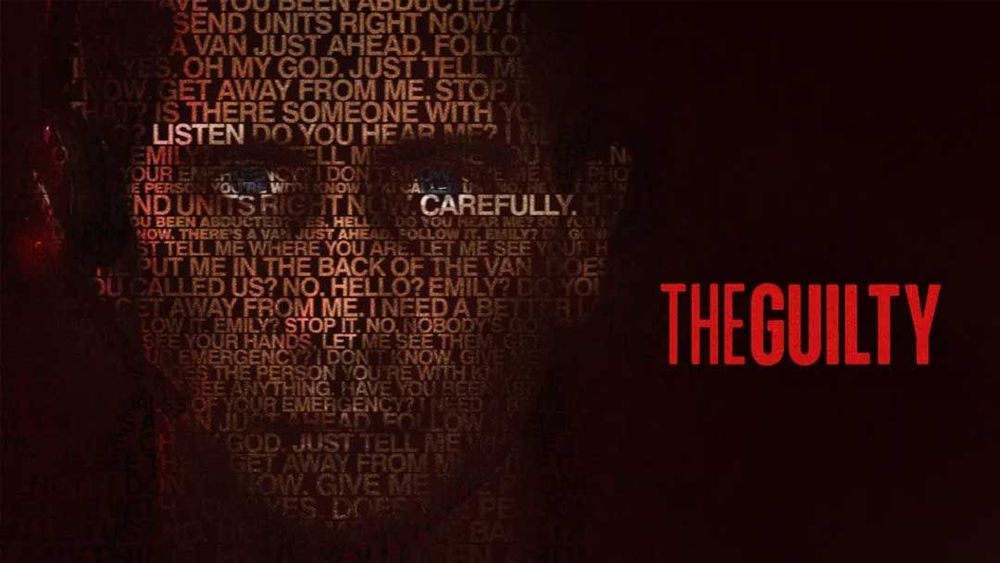
A demoted police officer assigned to a call dispatch desk is conflicted when he receives an emergency phone call from a kidnapped woman.
The Guilty unfolds primarily within a 911 call center as a dispatcher tries to save a distressed caller claiming to be kidnapped. Tensions rise as he races against time, delving into a complex web of emotions and moral dilemmas.
The film's tight setting, sharp dialogue, and real-time pacing create an intense atmosphere, prompting thought about human judgment and empathy.
WHAT CRITERIA MAKES IT WOKE?


Oops! Is this show WOKE?
Only an account holder or member can file. Cite a scene, a line, or a pattern. Other account holders +1 or −1 that argument, once each. The show is not WOKE until enough of them have given a +1. Enough −1s remove the write-up, and it is no longer shown.
Sign in to file a woke label. One of each criterion per member.
Comments and reviews
Report a mistake
Same rule as woke labels: one report, a written reason, and the community +1 or −1 it — once per member. A net +5 applies the change. Editors can hold it for review, or apply it immediately.
No mistake reports yet.
Sign in to report a mistake. One report per field, per member.
Member review
Wes Calder Member
Sep 19, 2026
★★★★★★★★★★The Guilty is a small machine that mostly runs. One man, a headset, a fluorescent room, and a call that will not resolve itself. Jake Gyllenhaal plays Joe Baylor, a Los Angeles cop parked on night dispatch after something ugly pulled him off the street. You never see that something. You hear the residue in his voice and in the way he handles ordinary callers before the one that matters shows up.
The premise does not waste time announcing itself. A woman on the line, speaking in careful pieces, clearly not free to talk. Joe has to pull a location out of half-answers, keep her talking, and move units without tipping whoever is sitting next to her. The tools are limited: screens, maps, other dispatchers, a sergeant who wants procedure followed. Everything else is voice and timing. That constraint is the movie’s best idea, and for long stretches it holds.
I liked the early hour more than the finish. The ordinary calls before the abduction lands give the night a rhythm. You settle into the desk the way Joe has to. When the real call cuts in, the shift from routine to crisis feels earned instead of staged. The sound work does quiet labor here. Static, dropouts, background noise that might mean something or might mean nothing. You lean forward because the picture will not help you. That is rarer than it should be in thrillers that can afford to show everything.
Gyllenhaal keeps the performance contained. He does not turn the desk into a stage. The anger sits under the professionalism, and the professionalism frays in small increments rather than big speeches. A wry note: the camera loves his sweat and his jaw, but he does not milk either. He gets quieter at the moments other actors would get louder, and that choice keeps the temperature honest for most of the runtime. The supporting voices on the line stay functional. Nobody is trying to steal a scene they are not in.
Where it thins is in the personal freight. Joe carries a load of guilt and unfinished business that the script insists on unpacking at appointed intervals. Some of those beats feel scheduled. You can sense the turning points arriving because the movie needs them, not because the night forced them. The moral weight the story reaches for in the back half sits a little heavy. It wants the case and the man to resolve each other, and the machinery shows. I stayed with it, but I stopped believing I was discovering anything alongside him. A half-step ahead is a soft place for tension to live.
The single-location choice is respected. No cheap cutaways to the van or the road for empty suspense. When information arrives, it arrives through the same channels Joe has. That discipline is the reason the first two acts work. The third act loosens its own rules just enough to deliver the turns it has been saving, and one of them undercuts the dread more than it deepens it. I will leave the details alone. The ending hangs for a minute and then settles into something neater than the night that produced it.
I saw the Danish original years ago. This version is cleaner in the production and more open in the performance. Cleaner is not always colder, and colder suited the material. The remake wants you to care about Joe’s chance at something like repair. I cared in a provisional way. The care never quite overtook the sense of being guided through a designed evening.
Still, the craft is real. Ninety-ish minutes, little fat, a camera that stays close without turning the room into a music video. The fluorescent hum and the empty chairs do more atmosphere than most scores. Late-night viewing helps. The movie understands shift work and the particular loneliness of a desk that only lights up when someone else’s life is breaking. Those textures are what I remember more than the plot geometry.
It is competent genre work with a strong central turn and a premise that knows its limits. It does not transcend those limits. A few written lines surface under pressure, the kind of clean dialogue real panic rarely produces, and you notice them because the rest of the night stays plainer. None of that ruins the watch. It just caps the ceiling.
Three stars is the number I landed on and the number that still feels right. It does the job of a contained thriller without pretending to be more. Some nights that is sufficient. I would not push it on anyone, and I would not talk someone out of it if contained tension and a single good performance are what they want for an evening. The desk, the headset, the clock. Those pieces fit. The rest is almost enough.