



 TV · 2024
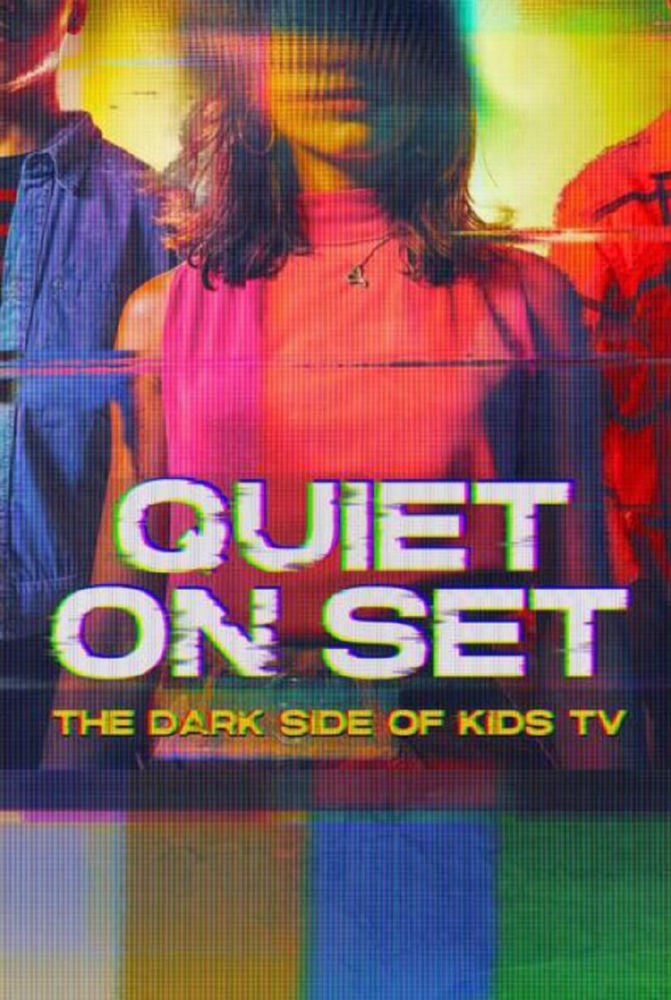
Quiet on Set: The Dark Side of Kids TV
This investigative documentary series uncovers the toxic, sexist, and abusive environments behind iconic late 1990s and early 2000s children's television programs.
The narrative explores the behind-the-scenes culture of children's television networks during a boom era of youth programming, focusing heavily on the rise of a prominent showrunner and producer. Through testimonies from former writers, crew members, and journalists, the series exposes a workplace environment characterized by unchecked power dynamics, inappropriate and suggestive humor written into scripts, and a systemic lack of institutional oversight that left young cast members vulnerable.
As the episodes progress, the focus shifts to harrowing accounts from former child stars who detail severe physical and psychological abuse by individuals granted access to the sets. The documentary investigates the criminal convictions of specific crew members and coaches, examining how institutional enablers and industry silence allowed abusers to retain protection and access. Ultimately, the series serves as a somber retrospective on the profound, lasting personal costs inflicted upon young performers in an exploitative entertainment system.
Click any of the following icons below to rent or stream it!
Oops! Is this show WOKE?
Only an account holder or member can file. Cite a scene, a line, or a pattern. Other account holders +1 or −1 that argument, once each. The show is not WOKE until enough of them have given a +1. Enough −1s remove the write-up, and it is no longer shown.
Sign in to file a woke label. One of each criterion per member.
Comments and reviews
Report a mistake
Same rule as woke labels: one report, a written reason, and the community +1 or −1 it — once per member. A net +5 applies the change. Editors can hold it for review, or apply it immediately.
No mistake reports yet.
Sign in to report a mistake. One report per field, per member.
Member review
June Pell Member
Oct 7, 2026
★★★★★★★★★★I went into Quiet on Set expecting the usual glossy industry exposé that talks around the real mess and lands on some vague call for better HR. What I got instead was something harder to shake. The series digs into the late ’90s and early 2000s kids’ TV boom with a focus that feels deliberate rather than scattershot. It centers on the people who held the keys—showrunners and producers who built little fiefdoms on the backs of scripts full of winks and nudge-nudge jokes that never should have made it past a first draft, let alone onto a soundstage with actual children standing around.
What struck me early was how ordinary the rot looked at first. Power dynamics that went unchecked because the shows were hits and the money was coming in. Writers and crew talking about the atmosphere like it was just the cost of getting the next episode locked. I kept thinking about how many of those sets must have felt normal to the adults who thrived there. That kind of institutional shrug is almost more chilling than the outright horror that comes later. The documentary doesn’t rush the point. It lets the interviews accumulate until the pattern is impossible to miss.
I will admit the first stretch had me leaning in hard. The mix of archival clips, candid sit-downs, and the slow reveal of how little oversight existed felt carefully built. You start to see how a culture that treated suggestive material as clever comedy could slide into something far worse once the cameras stopped. Then the later episodes shift weight onto the former child performers themselves. Those sections are the ones that sit with you. Physical and psychological harm handed out by people who were given access and never properly watched. It’s not sensationalized for its own sake; it’s just laid out, testimony after testimony, until the scale becomes clear.
There’s a particular frustration that kept surfacing for me while watching. We all grew up with some of these programs. They were background noise, Saturday mornings, after-school filler. Finding out how many of the kids on those sets were left unprotected makes the nostalgia feel stupid after a while. I caught myself remembering specific episodes and then immediately wanting to scrub the memory. That reaction isn’t the series trying to scold the audience. It’s just what happens when the gap between the bright product and the backstage reality gets this wide.
If I’m honest, the thing that kept it from a full five for me is the way the focus tightens so completely around one cluster of people and one network era. The broader machinery of kids’ television gets less airtime once the personal accounts take over. I wanted a little more on how the same patterns might have repeated elsewhere, or how the business incentives kept rewarding the same bad actors. A short side path into the economics of that boom period would have rounded it out without diluting the human cost. Still, what is here is handled with real seriousness. No cheap score-settling, no sudden pivot into lectures about everything wrong with the present day.
The series does something useful by refusing to treat the abuse as isolated monsters. It keeps circling back to the environment that made the monsters comfortable. Unchecked power, scripts that normalized inappropriate humor, and a near-total absence of adults who were willing to risk their jobs by speaking up. That combination is the real subject. The individual stories land harder because of it. I found myself pausing more than once, not because the filmmaking was flashy, but because the implications kept stacking up.
There’s a quiet anger running underneath the whole thing that I appreciated. It doesn’t scream. It just keeps presenting the facts and the faces of people who were kids when all of this was happening. By the end I felt like I’d been given a clearer map of how these workplaces functioned than I expected going in. The documentary doesn’t pretend the problems vanished with the calendar page. It leaves you with the sense that the same conditions can reappear any time the adults in charge decide the show is more important than the people making it.
I rated it a four because it does the hard work of showing the dark machinery without turning the victims into props for a larger cultural sermon. It stays specific. It stays grounded in the testimonies. And it makes it difficult to keep the cheerful theme songs in your head once you’ve heard what was happening between takes. That stays with you longer than most of these projects manage. Worth sitting through the discomfort.