
Find a mistake?
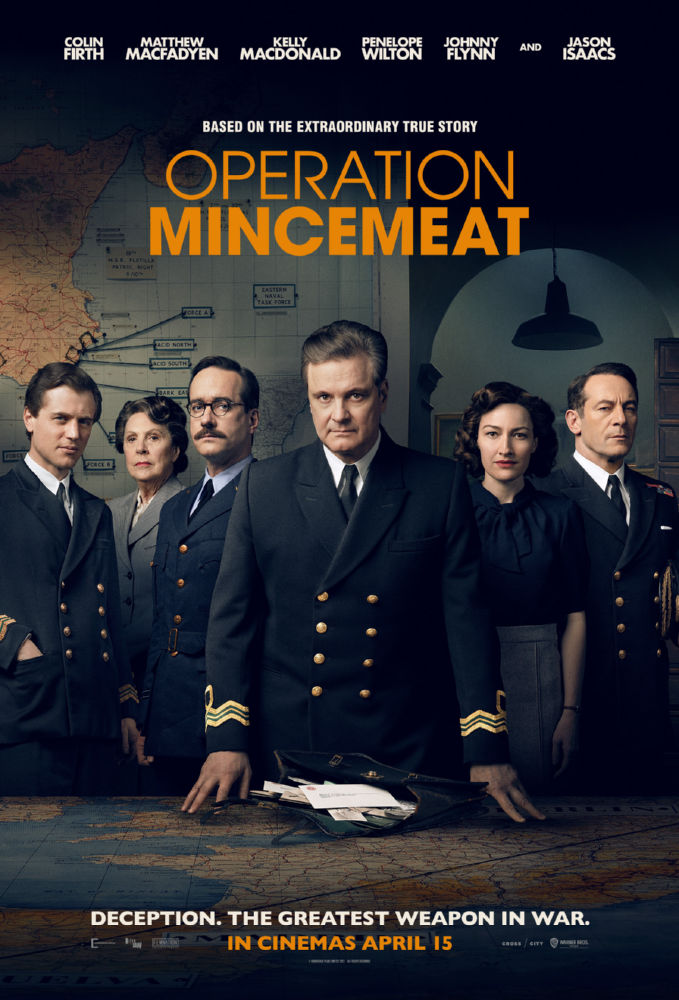


 MOVIE · 2022
Operation Mincemeat IS WOKE
8
8/10Community rating
Label it
IS WOKE
No summary on file yet. Know this one? Tell us.
WHAT CRITERIA MAKES IT WOKE?

Oops! Is this show WOKE?
Only an account holder or member can file. Cite a scene, a line, or a pattern. Other account holders +1 or −1 that argument, once each. The show is not WOKE until enough of them have given a +1. Enough −1s remove the write-up, and it is no longer shown.
Sign in to file a woke label. One of each criterion per member.
Comments and reviews
Report a mistake
Same rule as woke labels: one report, a written reason, and the community +1 or −1 it — once per member. A net +5 applies the change. Editors can hold it for review, or apply it immediately.
No mistake reports yet.
Sign in to report a mistake. One report per field, per member.
Member review
Lila Marsh Member
Sep 24, 2026
★★★★★★★★★★I put on Operation Mincemeat mostly because the real story behind it has always sounded like one of those odd footnotes from the war that deserves more daylight. Two intelligence officers in London decide the best way to steer the Germans away from Sicily is to float a dead man with a briefcase full of fake letters into neutral Spain. The film sticks close to that setup and lets the details do the work instead of padding it with extra drama. Colin Firth carries the quieter stretches as Montagu without overplaying the weight of the job, and Johnny Flynn gives Cholmondeley a believable mix of awkwardness and quiet conviction. Their back-and-forth feels lived-in rather than scripted for tension. What surprised me was how much of the runtime stays inside offices and briefing rooms. The actual risk happens on paper and in conversations, so the movie has to sell suspense through small choices and the constant fear that one loose end will unravel the whole thing. It mostly works, though there are stretches where the pace slows to a crawl while characters explain the next bureaucratic hurdle. The period details land well enough that you stop noticing the sets, and the Spanish scenes keep a low-key realism that fits the story better than glossy spy theatrics would have. Where it loses a bit of steam is in the personal side plots. The film tries to weave in Montagu’s complicated family life and a hint of office romance, but those threads never quite earn the time they take. They feel added on rather than necessary to the central gamble. By the time the body reaches the coast, the emotional stakes have already been diluted. Still, the core idea remains compelling because the plan itself is so strange and low-tech. A corpse, some forged letters, and the hope that Spanish officials will pass the information along exactly as expected. Watching the officers sweat over every comma in those documents gives the film its best moments. It reminds you how much of that war was decided in rooms full of tired men arguing over wording. I left it thinking the story probably works better as a book or a tighter two-hour cut. At just under two and a half hours it starts to feel stretched in the middle, and a couple of supporting performances fade into the background once the main plan is set. That keeps it from feeling essential, but it still lands as a respectable, grown-up wartime procedural that trusts the audience to stay interested without constant action beats. If you already like films about the quieter corners of intelligence work, this one is worth the time. It doesn’t reinvent anything, yet it treats the material with enough care that the real events shine through the usual dramatic smoothing. The score stays restrained too, never pushing you toward feelings the scenes haven’t already earned, which helps the quieter passages breathe even when the plot is mostly waiting for a reply from Madrid. I kept noticing how the film trusts small physical details—the way a letter is folded, the hesitation before a signature, the half-second glance when someone realizes a cover story has a hole—to carry more weight than any speech about duty. That approach makes the eventual confirmation of the ruse land with a kind of muted satisfaction rather than triumph, which feels honest to the material. You sense the officers know the war will grind on regardless, and this is simply one carefully aimed shove. The supporting cast around Firth and Flynn does solid, unshowy work; no one grabs the frame just to remind you they’re important. Even the moments that edge toward sentiment are held in check long enough that they don’t tip the whole thing into melodrama. What lingers afterward is less any single performance than the odd practical poetry of the scheme itself: the cold calculation required to turn a stranger’s death into a strategic asset, and the strange intimacy of inventing an entire false life for a man who can never contradict it. The movie doesn’t moralize about that choice, and the restraint is welcome. It simply shows the work, the second-guessing, and the long stretch of not knowing whether any of it mattered. For viewers patient enough to sit with paperwork and probability instead of gunfire, that focus is the point. It won’t convert anyone who needs higher stakes on screen, but it left me turning the real operation over in my head longer than most polished war films manage. A few tighter edits in the middle hour would have helped it stick the landing more cleanly, yet the respect for the strange true story still carries it across.