



 STAND-UP
Jeff Allen
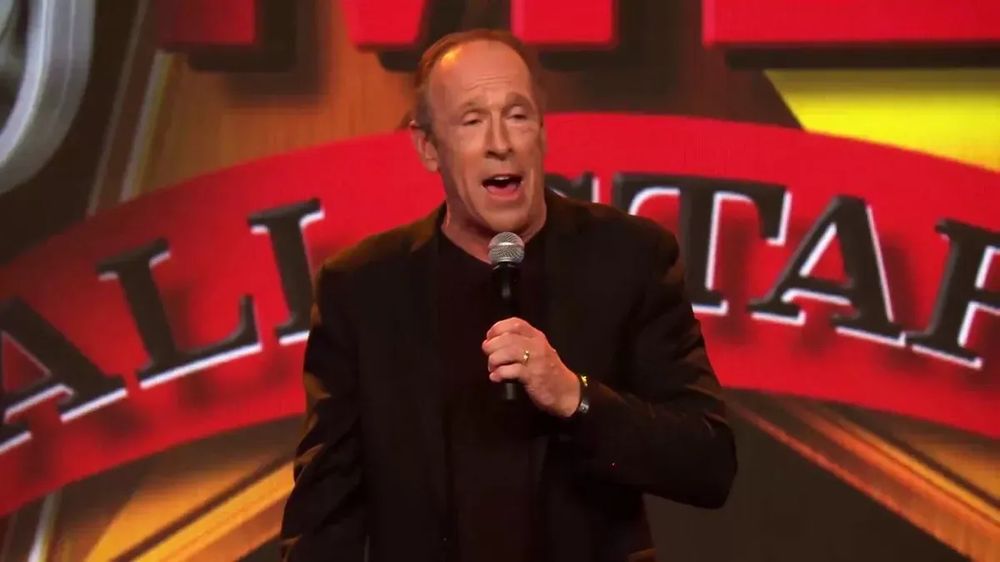
Jeff Allen works clean, high-energy stand-up built on marriage, family friction, and a traditional husband's hard-won lessons. His sets mix rapid observational punchlines with longer personal stories that keep rooms laughing without crude edges.
Jeff Allen steps onstage as the long-married everyman who has learned that a happy home requires equal parts surrender and strategy. His persona is warm, slightly exasperated, and firmly rooted in decades of real domestic life rather than abstract theory. A typical set moves from quick observational jabs about chores, communication gaps, and the mysteries of wives into extended anecdotes that circle the same themes of commitment and compromise. He uses animated gestures and sharp timing to keep the pace brisk, rarely letting a bit overstay its welcome. Crowds come for the recognition—the sense that he is voicing the private thoughts of ordinary spouses. The material stays accessible and faith-friendly, aimed at couples and family audiences who want laughs without meanness or shock value.
He returns again and again to the daily negotiations of long-term marriage, the different ways men and women process the world, and the small victories of simply staying together. The jokes land for people who value traditional family bonds and prefer humor that affirms those bonds instead of dismantling them. Rooms feel communal and good-natured, filled with couples exchanging knowing glances rather than tense silence. Faith appears as a natural part of his outlook, folded into stories about patience and grace instead of delivered as sermons. He ignores trend-chasing and political lectures, keeping the focus on the universal comedy of sharing a life and a roof. The energy builds through shared recognition, leaving audiences lighter and a little more patient with their own partners.
Oops! Is this show WOKE?
Only an account holder or member can file. Cite a scene, a line, or a pattern. Other account holders +1 or −1 that argument, once each. The show is not IS WOKE until enough of them have given a +1. Enough −1s remove the write-up, and it is no longer shown.
Sign in to file a woke label. One of each criterion per member.
Comments and reviews
Report a mistake
Same rule as woke labels: one report, a written reason, and the community +1 or −1 it — once per member. A net +5 applies the change. Editors can hold it for review, or apply it immediately.
No mistake reports yet.
Sign in to report a mistake. One report per field, per member.
Member review
Toni Briggs Member
Oct 9, 2026
★★★★★★★★★★Jeff Allen’s clips hit in a way that feels like sitting across from a guy who has already survived every argument you are still having. I ran through a string of them in one sitting—marriage bits, the teen stuff, the fitness-tracker rants, the clothes wars—and the cumulative effect is better than any single special packaged as an event. He comes out warm and slightly exasperated, the long-married everyman who figured out that a happy house runs on equal parts surrender and strategy. No crude edges, no shock for shock’s sake, just high-energy observational punchlines that snap into longer personal stories without ever dragging.
The marriage material is the spine. He talks about thirty-plus years like a man who still finds the whole arrangement both ridiculous and non-negotiable. One bit about communication styles lands especially hard: the way couples end up playing charades in their own kitchen because neither side wants to say the plain thing out loud. He mimes it with sharp timing—shoulders up, hands flailing, that little pause before the punch—and you recognize the pattern immediately. Another stretch covers health diagnoses and those fitness trackers that turn your spouse into an unpaid parole officer. The jokes about modern dietary trends and the quiet negotiations required to keep peace around the dinner table feel lived-in rather than workshopped. He never lectures; he just shows you the receipt from decades of domestic life and lets you laugh at how familiar it looks.
Teenagers get their own spotlight, and he frames them cleanly as God’s revenge without tipping into mean. The pacing stays brisk. He fires quick jabs about the mysteries of adolescent logic, then settles into a longer anecdote that circles back to the same theme of commitment under pressure. You feel the room energy even through the screen—the little beats where the laughter builds because everyone has either raised one of these creatures or survived being one. Same with the clothes bit. My wife versus my clothes is pure recognition comedy: the slow erosion of a man’s wardrobe choices under the gentle but relentless pressure of someone who loves him and still thinks he dresses like a lost tourist. He uses animated gestures without overplaying them, keeps the energy high, and exits the bit before it wears thin.
What sets him apart is how cleanly he works while still sounding like a real husband instead of a corporate after-dinner speaker. A lot of clean comics sand everything down until nothing is left but safe observations. Allen keeps the friction. The traditional husband’s hard-won lessons are right there—surrender when it matters, strategy when it counts, and the stubborn refusal to pretend marriage is a fairytale or a battlefield. He touches faith lightly in places, not as a sermon but as the quiet undercurrent of a man who once thought he had the universe figured out and then discovered otherwise. It never turns the set into a revival meeting; it just gives the longer stories weight. Technology getting out of hand, small-town jokes, even a golf aside that pokes at the current absurdities without needing a manifesto—all of it stays in the same voice.
I kept clicking the next clip because the persona holds. He does not reinvent himself every five minutes. The same slightly worn, good-humored guy walks you through impulsive proposals from decades ago, memory challenges that come with age, and the daily negotiations that keep a house from becoming a war zone. When he talks about privacy vanishing once the fitness apps start reporting back to headquarters, or the way spouses start finishing each other’s sentences only to finish them wrong, the laughs stack. Rapid punchlines open the door; the extended anecdotes walk you through it and shut it behind you with a clean exit. No lingering. No begging for the laugh. Just timing that trusts the material.
After a run of these, what sticks is how little he needs the usual crutches. No piled-on edge, no desperate topical chasing, no sense that he is performing for a demographic checklist. He sounds like someone who actually lives the life he is describing and has decided the only sane response is to laugh at it with the people who share the same roof. The energy never flags. Even the quieter stories keep moving because the gestures and the vocal shifts do the work. You finish one clip already halfway into the next, and the whole stretch feels like one continuous set rather than a highlight reel.
That is rarer than it should be. Plenty of comics can get a room for ten minutes on marriage. Fewer can keep the same room with them for the longer haul without either going soft or going crude. Allen threads it. The recognition is the hook—the private thoughts of ordinary husbands and fathers given a microphone and a stage light—and the craft keeps it from turning into therapy-session stand-up. He knows when to punch and when to let the story breathe. By the time the last clip ended I was still smiling at the spine-in-the-purse line and the quiet accuracy of a man who has learned that lasting marriage is less about winning and more about deciding which hills are worth the climb. Clean, high-energy, rooted in real domestic friction, and funny enough that you do not notice how much truth he just slipped past the gate. That is a good night’s work.