



 TV · 1955
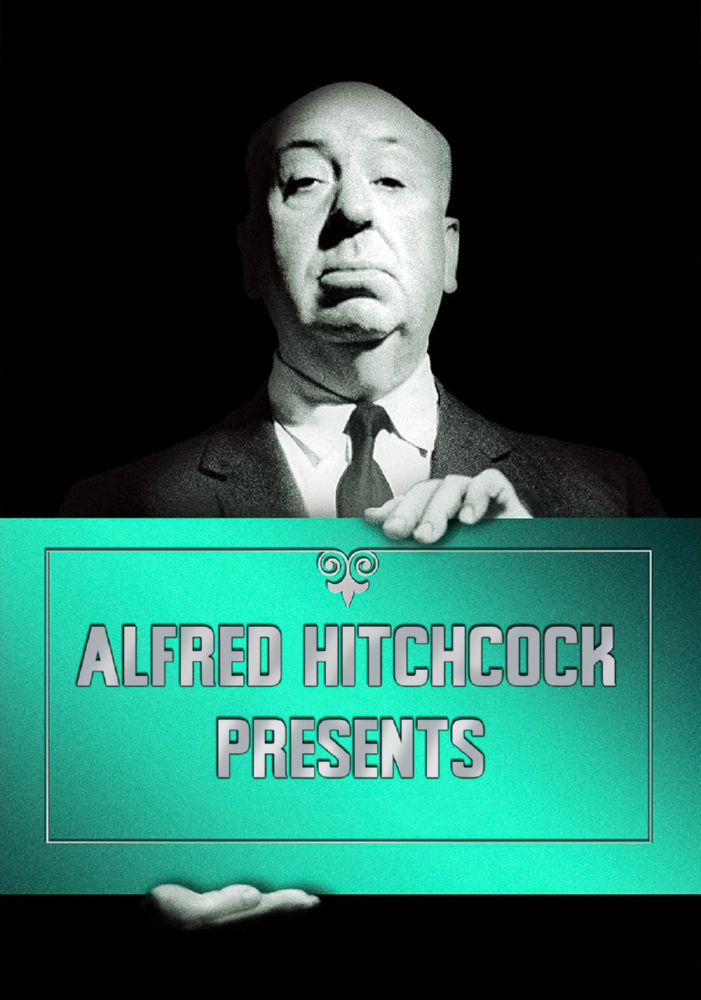
Alfred Hitchcock Presents
This classic Emmy-winning anthology series created by Alfred Hitchcock features pulse-pounding suspense and delightfully twisting mysteries. Employing deceptively simple ironic twists and macabre bits of plotting, these half hour masterworks consistently thrill and entertain. Academy Award winners Jessica Tandy and Joanne Woodward are just two of the dozens of screen legends featured in the riveting episodes.
Click any of the following icons below to rent or stream it!
Oops! Is this show WOKE?
Only an account holder or member can file. Cite a scene, a line, or a pattern. Other account holders +1 or −1 that argument, once each. The show is not WOKE until enough of them have given a +1. Enough −1s remove the write-up, and it is no longer shown.
Sign in to file a woke label. One of each criterion per member.
Comments and reviews
Report a mistake
Same rule as woke labels: one report, a written reason, and the community +1 or −1 it — once per member. A net +5 applies the change. Editors can hold it for review, or apply it immediately.
No mistake reports yet.
Sign in to report a mistake. One report per field, per member.
Member review
Omar Quill Member
Oct 16, 2026
★★★★★★★★★★Alfred Hitchcock Presents slots into the evenings the same way a good side campaign does after I clear the main story grind. I put it on between longer sessions, sometimes right after a raid wipe or while waiting on a build to gel, and it keeps earning the time. The half-hour length is honest. You sit down, the host walks out with that dry little setup, and by the end you have a complete turn that either lands clean or sticks with you while you queue the next match.
What holds it together is the simple fact that every episode is its own thing. A little bit of everything shows up across the run: quiet domestic pressure, bad luck that snowballs, people who think they have the perfect cover until they do not. It has lasting resonance for the same reason the original Twilight Zone still works, and even the 80s version had flashes of it. New story every week, no multi-episode homework required. That is the opposite of shows that stretch one idea across a whole season and then wonder why people drift. It is like what American Horror Story wants to be when it puts on the anthology label, except this one actually closes the loop in a single episode well enough that you come back for the next one without feeling owed extra context.
I was not around when it first aired, but the reach is obvious. It was on when my dad was two years old, and the same beats still register. Families used to gather for it the way people now drop into a shared lobby. That kind of staying power does not happen by accident. The plotting stays lean and a little mean. Ironic reverses and macabre details do the heavy lifting instead of spectacle. You finish one and you can feel the geometry of it, the same way a well-designed boss arena makes sense after the third try.
Hitchcock hosted the whole thing and directed a handful himself. Those directed ones carry his fingerprint in the timing and the framing even when they do not climb to the level of his bigger films. One that stayed with me is the Roald Dahl episode Lamb to the Slaughter. Barbara Bel Geddes plays the eager wife who gets hit with news she cannot process the normal way, and the way the ordinary household details flip into the solution is almost too clean. No speeches, no overbuilt backstory. Just the trap springing in reverse. That kind of tight construction is what I keep coming back for. It scratches the same itch as a short, high-skill run where the mechanics stay fair and the final turn still surprises.
The guest list helps. Jessica Tandy, Joanne Woodward, and a long bench of people who knew how to work inside a limited frame. Thirty minutes leaves no room for padding, so every look and line has to earn its spot. Modern prestige television often confuses length with depth. This series never does. It thrills and entertains by staying inside the boundaries and making the boundaries part of the fun. Some nights I will clear two or three after a long grind session. Other nights one is enough because the aftertaste is strong.
Not every episode hits the same height. A few feel thinner once the black-and-white staging and the period manners settle in, and the production can look flat if you are coming straight from current lighting and effects. Those are the ones that keep it at 4.5 instead of a clean five. The average quality is still high enough that I rarely skip. The writing and the control of tone carry the weaker installments. Human nature supplies the engine: people panic, people cover, people invent the wrong story for themselves. That has not aged out.
I like how the host bits frame everything. They function like a flavorful load screen instead of dead air. You know the tone before the first scene, and then the episode either delivers the expected bite or undercuts it. That variety is the real pull. One week you get something almost playful, the next something colder. It never locks into one mode long enough to get stale. After farming materials for hours or wiping on the same mechanics, dropping into a complete, self-contained story feels like a reset that still respects craft.
I have gone back to certain favorites the way I replay a tight level just to watch the design choices again. The resonance comes from refusing to over-explain. You get the pieces, the credits roll, and your brain finishes the assembly. Sometimes you laugh at how neatly the reverse was set up. That is better than most longer dramas that take eight episodes to say less. The constraint of the format forces focus, and focus is what makes the twists land without needing a marketing campaign.
Between ranked nights and story campaigns I keep carving out space for this run. It does not ask for a hundred hours of investment or a wiki open on the second monitor. You can start anywhere and still get the full effect. The Emmy history makes sense once you sit with a stretch of episodes. It set a practical standard for short-form suspense that later shows keep chasing while adding weight they do not need. I will keep picking at the library when the mood hits. There are enough installments that it feels like a deep catalog with consistent quality control. The high points stay excellent, the floor stays respectable, and the whole thing still feels built by someone who understood how little time a story actually needs when the idea is sharp.